

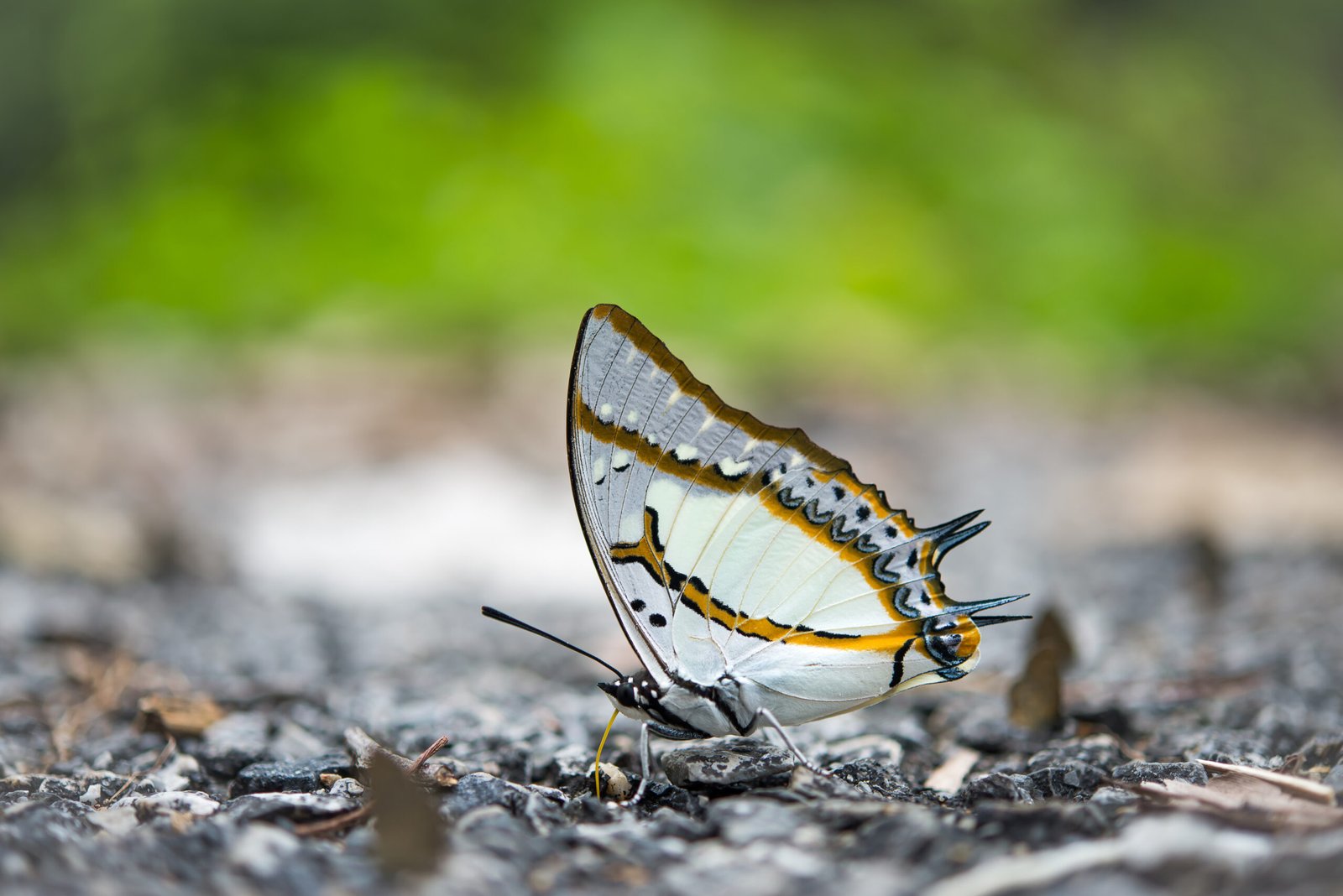
Butterfly life cycle can be called one of the most sophisticated instances of complete insect metamorphosis. This biological change is divided into four stages which include egg, larva, pupa and adult stages. The stages play a specific ecological and physiological role, which guarantees the continuity and contribution of species to the environment.
Elegant reception hall Montreal perfect choice for event venue Montreal needs
The process starts when a female butterfly deposits eggs to certain host plants. The choice of plants is very essential, because the larvae are entirely reliant on the leaves to nourish them. Upon hatching, the caterpillar passes through a high growth stage. In this phase, it feeds heavily on plant material accumulating energy to be changed. The caterpillar goes through a number of molting cycles during the larval stage as it grows in size.
The most complex phase is the pupal one which is created in a chrysalis. Programmed biological processes involve cellular reorganization of the larval tissues internally. The imaginal discs, specialized cell clusters that are defined during embryonic development, give rise to structures like wings, antennae, compound eyes, reproductive organs, etc. This stage though external in its manifestation is the expression of acute change within.
When an adult butterfly hatch occurs, the wing size is increased by pumping hemolymph into the veins of the wings. When it is dried and hardened, it is able to fly. Adult stage focuses more on reproduction and pollination as opposed to growth thus a change of ecological role.
CELLPHONEGAMES.COM introduces butterfly metamorphosis as the example of biological precision and adaptation to the environment. This change brings out the intricacy of the insect development process and the need to conserve the habitat to maintain the life cycles that are necessary in biodiversity.