

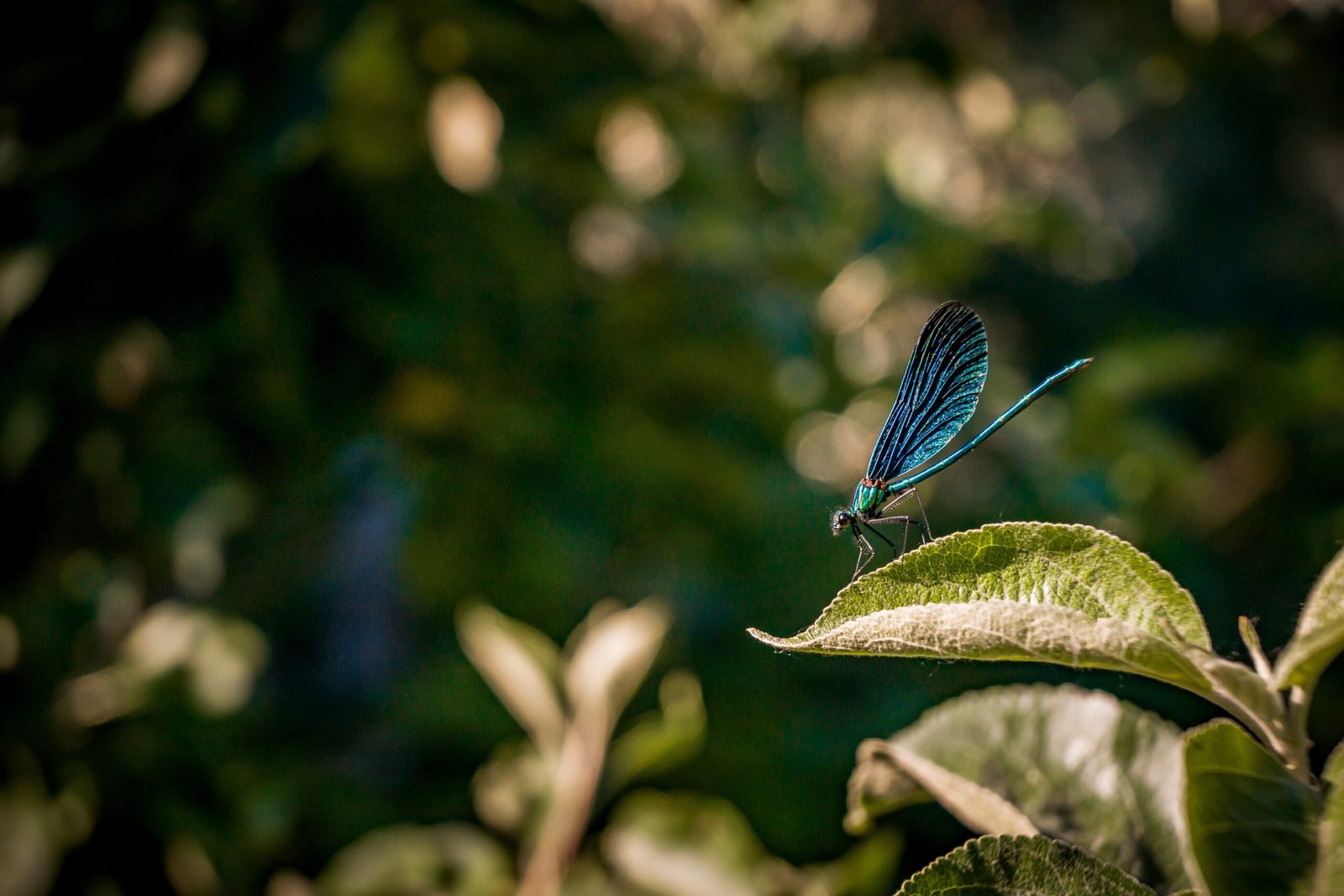
The butterflies are spread in a variety of climatic areas across the world illustrating an outstanding ecological adaptability. Having more than 20,000 known species, they can be found in the tropical rainforests, temperate meadows, and mountainous habitat. They are also dependent on the availability of host plants, the stability of temperatures, humidity and seasonal fluctuation.
Monarch butterfly is a well known insect due to its transcontinental travel in North America. The Blue Morpho, on the contrary, inhabits humid rainforest, in which its iridescent blue wings play a defensive purpose as well as a signaling purpose. The Common Mormon in South Asia displays adaptive mimicry in order to scare off predators.
Tropical ecosystems tend to have the greatest variety of butterflies since temperatures are constant and there are numerous flowers. These are areas that offer secure breeding and permanent sources of nectar. Temperate regions on the contrary need adaptation strategies on a seasonal basis. A large number of species go into diapause, a form of dormancy that makes them survive lower temperatures.
Butterflies are used as bioindicators, which are a measure of environmental health and stability. The reduction in the number of butterflies is usually an early warning of habitat destruction, exposure to pollution, or disproportionate climate. Agricultural growth and urbanization may interfere with migration pathways and destroy plant species that are used as hosts during reproduction.
Scientific measures and conservation programs are used to protect the diversity of habitat and have ecological balance. Caring about native plants and the minimization of the use of pesticides play a big role in the saturation of the population.
Cellphone Games.Com focuses on the diversity of butterflies as a sign of environmental health. Knowledge of the world distribution patterns strengthens the need to manage the world in terms of sustainable habitat and biodiversity conservation.